
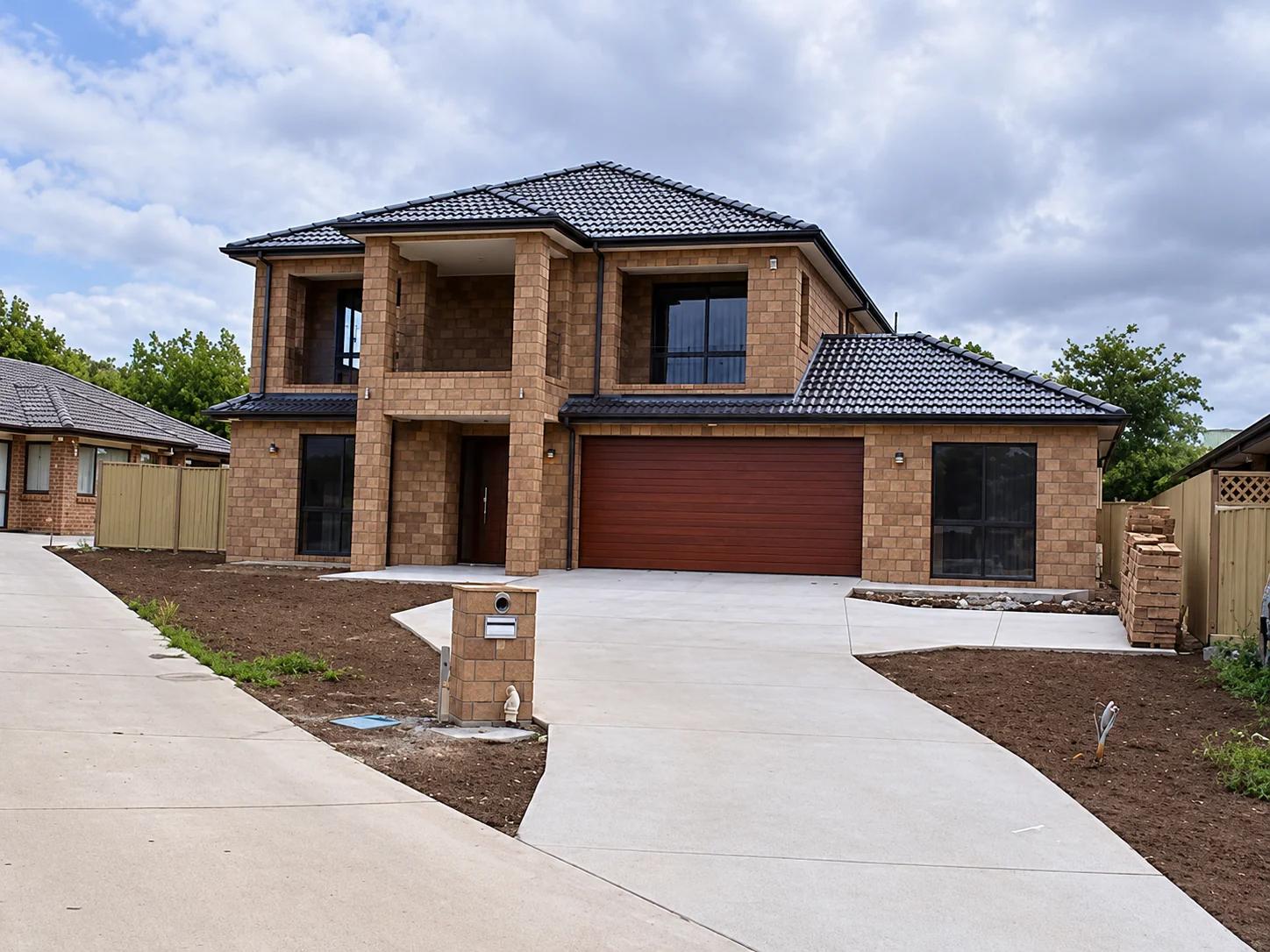
Renovate or Rebuild: Where Do You Start?
Deciding whether to renovate your existing home or start again with a new build is a significant decision for any homeowner. Both options have their advantages, but the right choice depends on the condition of your property, your budget, your future plans and what you want to achieve.
Renovating can be an excellent way to improve your home's layout, functionality and overall appearance while retaining the features you already love. However, older homes can present challenges, particularly when existing structures, outdated materials or unforeseen building issues need to be addressed.
Rebuilding offers the opportunity to start fresh, with greater flexibility over the design, layout and construction of your home. Although this can provide more freedom, it also involves important considerations such as demolition, site conditions, design costs and building consent requirements.
At On Site Building Construction, we understand that no two properties or homeowners are the same. Before making a decision, it's important to understand what's achievable with your existing home and whether renovating or rebuilding makes the most practical sense for your circumstances.
Understanding Whether Your Home Is Worth Renovating
Before deciding to renovate, it's important to understand the condition of your existing home. While some properties may only need changes to their layout or living spaces, others may require significant structural work before any improvements can begin.
Start by looking at the foundations, framing, roofing and overall condition of the building. Older New Zealand homes can have issues such as moisture damage, uneven foundations, deteriorating materials or outdated construction methods. These problems aren't always visible, which is why a thorough assessment is important before committing to major renovations.
What Should You Consider?
- Structural condition: Are the foundations, framing and existing structure suitable for the changes you have in mind?
- Existing layout: Can the current floor plan be adapted to create the space you need, or would extensive alterations be required?
- Hidden issues: Could moisture damage, ageing plumbing, electrical systems or other problems increase the scope of work?
- Future plans: Will renovating provide enough space and flexibility for your household in the years ahead?
For larger renovations or extensions, a builder can help identify practical construction considerations, while qualified specialists may be needed to assess structural concerns.
A home doesn't necessarily need to be in perfect condition to make renovation worthwhile. The key is understanding the extent of the work required and whether the existing structure can accommodate your plans without creating unnecessary complexity or expense.
When Renovating Makes More Sense
Renovating can be a practical choice when your existing home is structurally sound but no longer meets your needs. Rather than starting from scratch, a well-planned renovation allows you to retain the parts of your home that work while improving the areas that don't.
For many homeowners, the issue isn't necessarily the size of their property but how the available space is being used. Reconfiguring internal walls, opening up living areas or extending an existing room can make a significant difference to how a home functions.
Making the Most of Your Existing Home
Renovation may be worth considering when:
- You like your current location: Your property is in a neighbourhood you enjoy, and you'd prefer to improve your home rather than move elsewhere.
- The existing structure is suitable: Your foundations, framing and overall building condition can accommodate the proposed alterations without extensive structural replacement.
- You want to preserve existing character: Older homes often have architectural features worth retaining while introducing more modern and functional living spaces.
- Your needs can be met through alterations: Changes to the floor plan, additional rooms or extensions could provide the space you need without rebuilding the entire property.
Understanding the Costs
While renovating may allow you to retain valuable parts of your existing home, it isn't automatically the cheaper option. Structural modifications, unforeseen damage and changes to existing building systems can significantly influence the final cost.
Before proceeding, it's worth discussing the proposed work with an experienced builder to understand what can realistically be achieved within your budget.
At On Site Building Construction, we believe in making the most of what a property has to offer. When the existing home provides a suitable foundation for improvement, thoughtful renovations and alterations can create a space that better supports the way you live.
When Rebuilding Might Be the Better Option
While renovating can transform an existing property, there are situations where rebuilding may offer a more practical long-term solution. If a home requires extensive structural repairs, significant layout changes or major upgrades to meet modern living requirements, starting fresh may be worth considering.
Rebuilding gives homeowners the opportunity to reconsider how their entire property is used. Rather than working around existing walls, foundations and structural limitations, a new home can be designed to better suit the section, household requirements and intended layout.
When Should You Consider Rebuilding?
There are several situations where rebuilding may be worth exploring:
- Extensive structural damage: Significant problems with foundations, framing or other structural elements may make retaining the existing building difficult or expensive.
- Major changes to the layout: If achieving your preferred design requires substantial structural alterations, rebuilding could provide greater flexibility.
- An ageing or unsuitable home: Properties requiring extensive upgrades to multiple building systems may benefit from a completely new approach.
- Making better use of your section: A new design may allow you to improve the property's layout, orientation and available living space, subject to site conditions and planning requirements.
Planning a New Build on Your Existing Section
Before deciding to demolish and rebuild, it's important to understand what your section can accommodate. Ground conditions, access, drainage, planning restrictions and construction costs can all influence what is achievable.
A new build also involves design work, relevant approvals and coordination between builders and specialist trades. Working with experienced building professionals early in the process can help establish whether your ideas are practical for the property.
At On Site Building Construction, residential new builds are a core part of our services. Whether you already have plans or need assistance exploring design options, we can work alongside architectural professionals and trusted trades to help bring your proposed home together.
Ultimately, rebuilding isn't always the better or more affordable option. The decision should come down to the condition of your existing home, your budget and what you want to achieve from the finished property.
Renovating vs Rebuilding: Comparing Costs and Making Your Decision
One of the biggest factors when choosing between renovating and rebuilding is the overall cost. While renovating can allow you to retain much of your existing home, rebuilding provides a fresh start with fewer restrictions from the original structure.
Neither option is automatically more affordable. The final cost depends on the property's condition, the extent of the work, materials, site requirements and the complexity of the design.
What You Should Consider?
Renovating
Improving your existing home
- Retain suitable parts of the existing structure
- Improve your layout and living spaces
- Preserve features you already love
- Allow for possible hidden damage
- Costs depend on the extent of alterations
Rebuilding
Starting fresh with a new home
- Design a layout around your needs
- Replace an unsuitable existing structure
- Account for demolition and site preparation
- Budget for an entirely new build
- Greater design flexibility, subject to site restrictions
Both Options
Important considerations
- Obtain estimates based on your plans
- Check building consent requirements
- Consider design and professional fees
- Allow for unexpected expenses
- Plan for temporary accommodation if needed
Building Consents and Approvals
In New Zealand, both major renovations and new builds generally require building consent, although some smaller building activities may be exempt. Resource consent or other approvals may also be necessary depending on the property and proposed work.
Checking with your local council and involving the appropriate building professionals early can help you understand the requirements before construction begins.
Making the Right Choice for Your Home
Ultimately, the decision comes down to what your property can accommodate, how much you're comfortable investing and what you want from your home in the years ahead.
A renovation might provide everything you need without replacing the existing house. Alternatively, rebuilding may offer greater freedom if the current structure presents too many limitations.
Not Sure Whether to Renovate or Rebuild?
At On Site Building Construction, we understand that deciding where to begin can be challenging. With experience in substantial renovations, extensions and residential new builds, On Site Building Construction can discuss your plans, offer practical advice and help you understand the building options available.
Get in touch with our team to discuss your property and take the first step towards making an informed decision.
CONTACT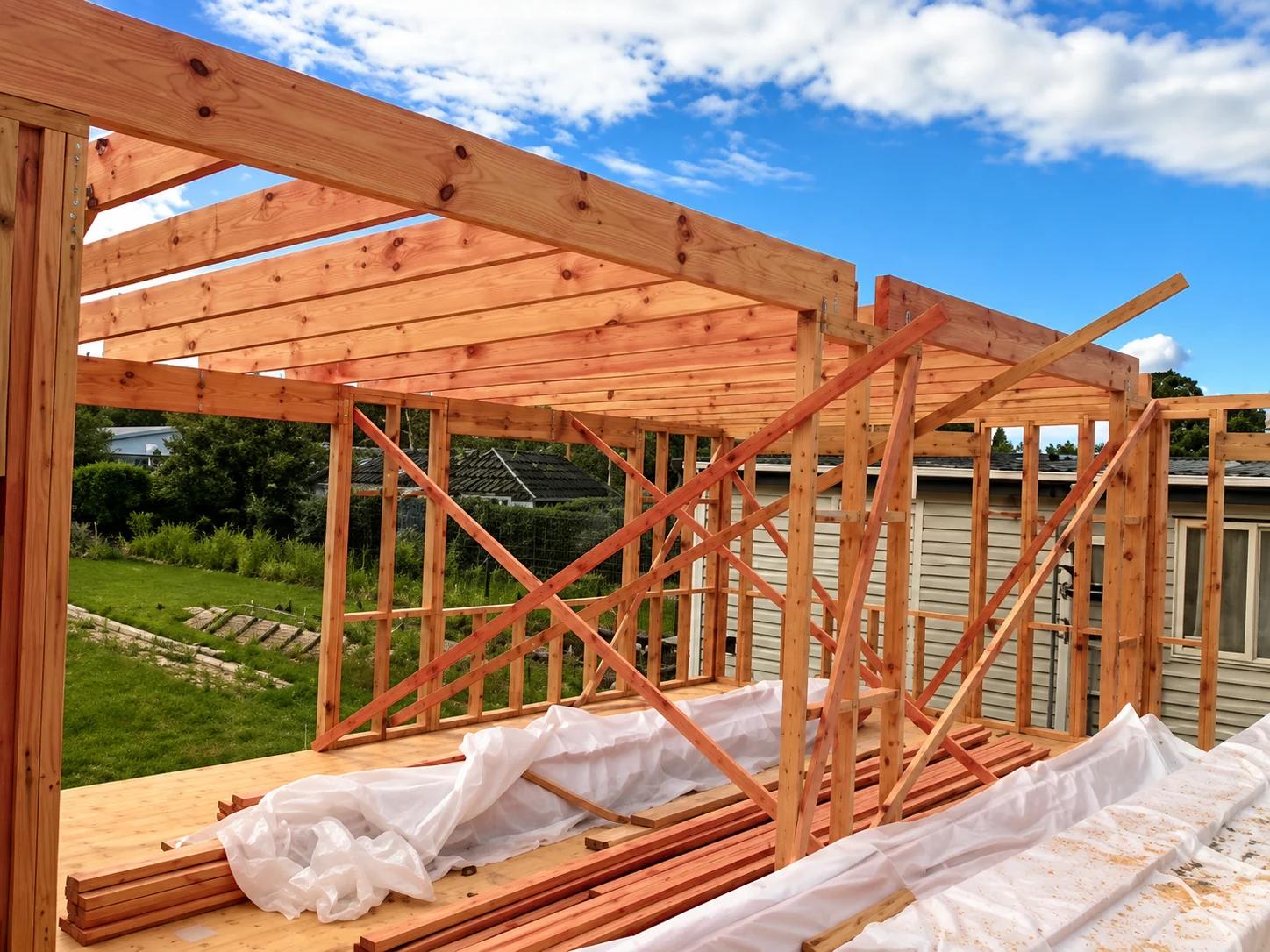
 EMAIL
 PHONE
 SERVICE AREAS