
Blending Old and New: Where Do You Begin?
Older New Zealand homes often have a character that's difficult to recreate. From traditional timber detailing and distinctive rooflines to unique room layouts, these features can give a property a sense of history and individuality.
However, the way we live has changed. Smaller kitchens, separated living areas and outdated interiors may no longer suit modern households. Rather than replacing everything, a carefully considered renovation can introduce new functionality while retaining the features that make an existing home special.
Blending old and new involves finding a balance between preservation and improvement. It's about understanding what should remain, identifying what needs to change and ensuring the finished spaces work together.
At On Site Building Construction, we undertake renovations and alterations that transform existing homes. Whether you're opening up living areas, modernising interiors or making substantial structural changes, understanding the character and condition of your property is an important place to start.
Understanding What Makes Your Home Unique
Before making changes, take time to understand your home's existing features. Not every element needs replacing, and some of the most successful renovations work with the original building rather than against it.
An older home may have timber flooring, decorative ceilings, traditional joinery or distinctive architectural details that contribute to its appearance. These features can provide a starting point for the overall renovation design.
The condition of those elements is equally important. A feature may be worth preserving visually but require repairs or specialist work before it can be incorporated into the finished space.
What Features Are Worth Keeping?
Consider the elements that contribute most to your home's character:
- Original materials: Timber flooring, interior joinery and existing finishes may provide warmth and texture.
- Architectural details: Decorative features, ceiling profiles and traditional design elements can help retain the home's identity.
- Existing proportions: Room heights, window positions and original layouts may influence how new spaces are designed.
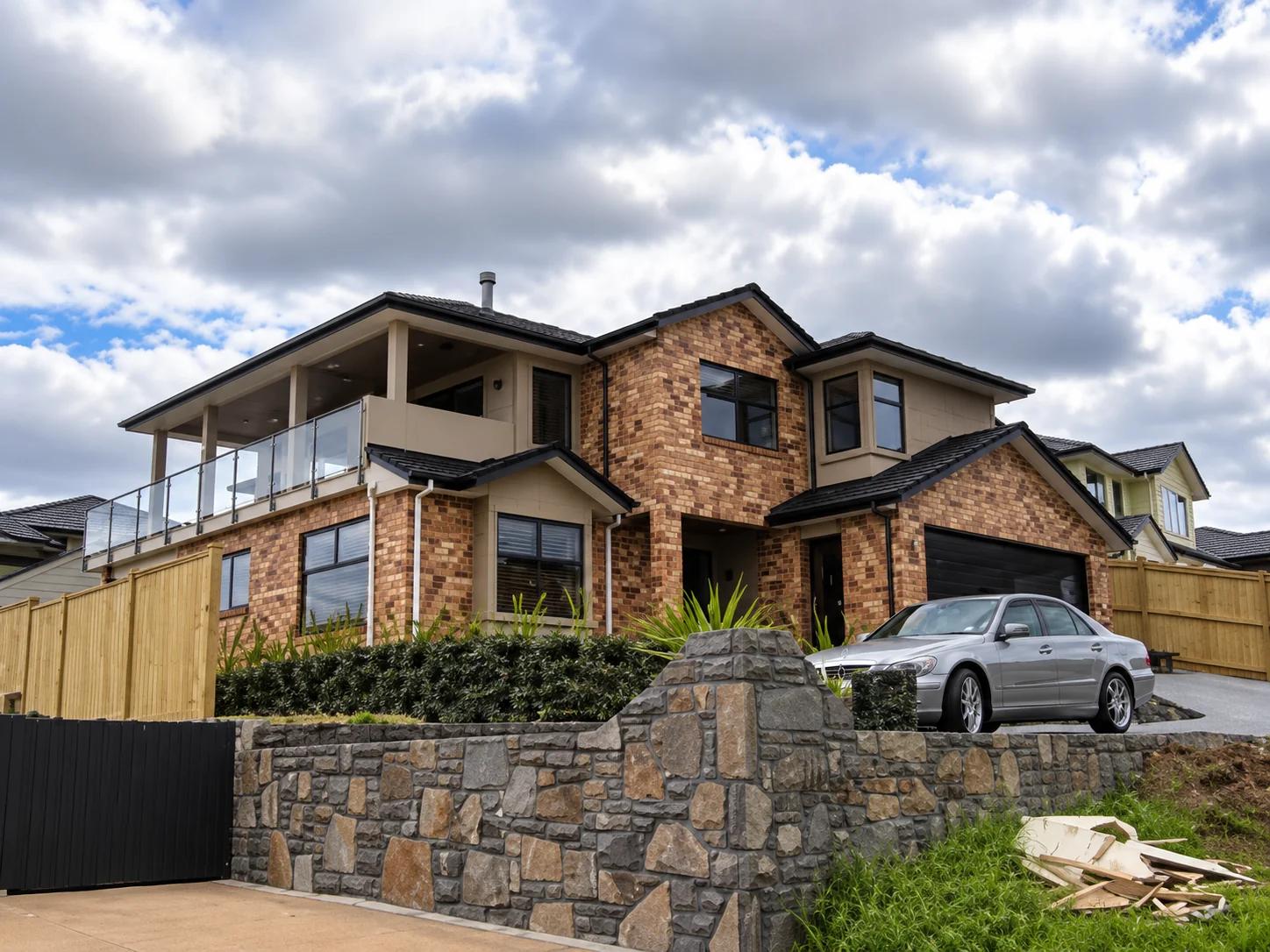
- Exterior appearance: Roofing, cladding and established architectural features can help guide the design of alterations or additions.
Preserving character doesn't mean keeping everything unchanged. The goal is to identify which features are worth retaining and which parts of the home would benefit from improvement.
A builder or relevant specialist can also help assess whether existing materials and structures are suitable for the proposed renovation.
Introducing Modern Spaces into an Older Home
One of the main reasons homeowners renovate is to make an existing property more comfortable and functional.
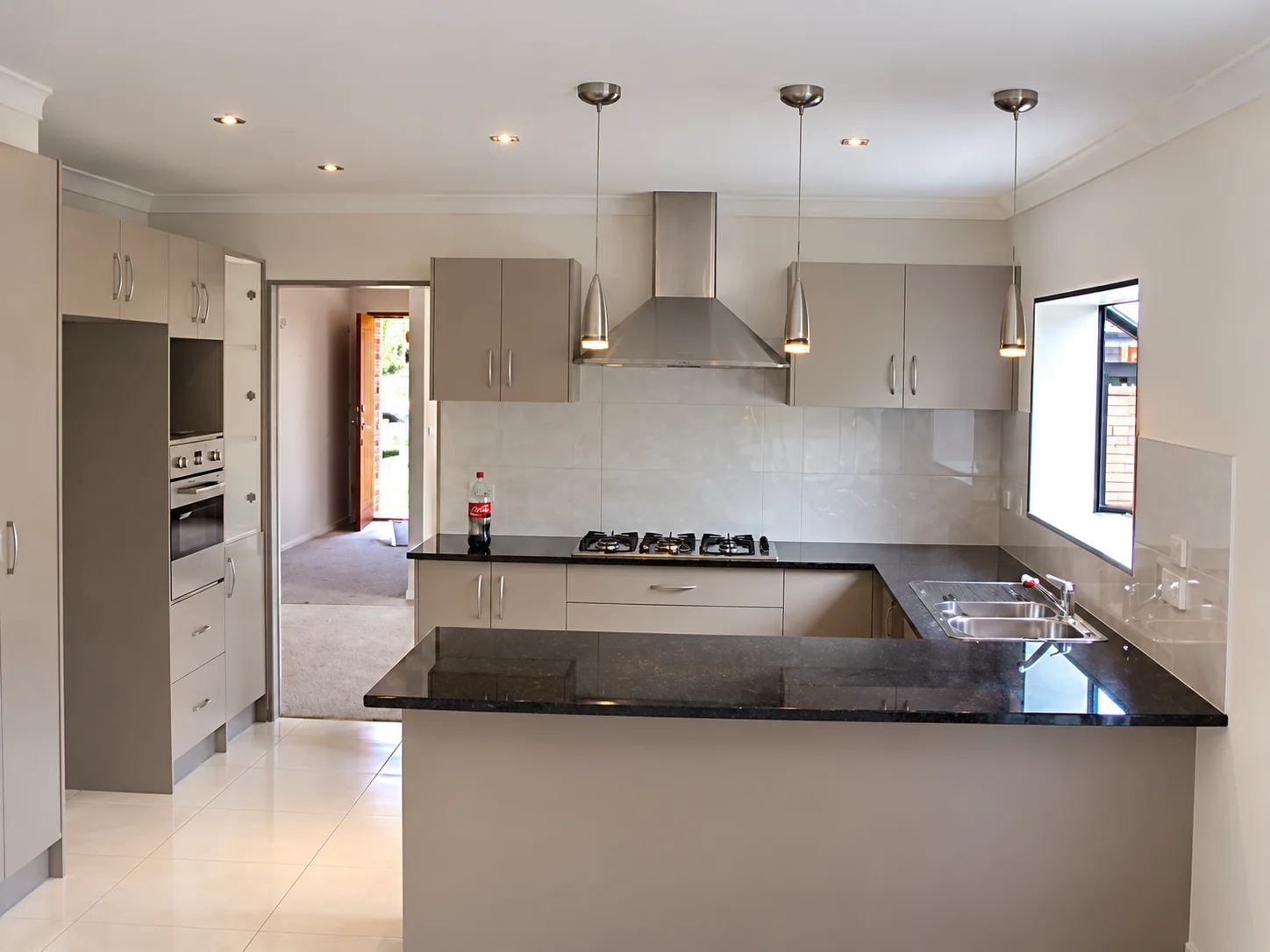
Older homes were often designed around different living requirements. Separate kitchens, enclosed dining rooms and smaller living areas may no longer suit households that prefer connected spaces for everyday living and entertaining.
Modernising these areas can make a significant difference without necessarily changing the character of the entire property.
Making Your Existing Layout Work Better
There are several ways to introduce more contemporary living arrangements:
- Open-plan living: Where structurally appropriate, altering internal walls can improve connections between kitchens, dining areas and living rooms.
- Kitchen improvements: Updating layouts, storage and workspaces can make older kitchens more practical for daily use.
- Natural light: Carefully positioned windows, doors and openings can improve how light moves through the home.
- Indoor-outdoor connections: Improving access to decks, gardens or entertaining areas can make better use of the available space.
Creating a Consistent Look Throughout the Home
A renovation doesn't need to make every room look identical. Instead, consider how materials, colours and finishes can create a natural connection between existing and updated spaces.
For example, timber features from an older home may work well alongside contemporary cabinetry, neutral wall colours and modern fixtures.
Similarly, new flooring or joinery can be selected with consideration for existing finishes, helping different areas feel connected even when their designs reflect different periods.
The result should feel intentional, with the older and newer elements complementing rather than competing with one another.
The Challenges of Combining Old and New
Renovating an existing home can involve more complexity than working with a completely new structure. Buildings change over time, and their original construction methods may differ from those used today.
Some older properties have uneven floors, ageing framing, moisture damage or previous alterations that aren't immediately obvious. These conditions can influence how new building work connects with the existing structure.
Matching materials can also be challenging. Older timber profiles, cladding styles and decorative finishes may no longer be readily available, requiring alternative products or adjustments to the design.
Planning for Unexpected Building Work
Before construction begins, it's worth considering how the property's condition could affect the project.
Changes to internal walls may require structural assessments, while alterations to exterior openings or roofing need careful attention to weatherproofing. Existing electrical and plumbing systems may also need consideration when rooms are reconfigured.
These factors don't necessarily prevent a renovation from proceeding, but they can affect its scope, cost and timing.
Allowing room in the budget for unforeseen work and involving experienced building professionals early can help homeowners make better decisions as the project develops.
THE OLD & NEW RENOVATION APPROACH
Bringing different styles together starts with understanding what should stay, what needs improvement and how the finished spaces will connect.
PRESERVE THE CHARACTER
Keeping what makes your home special.
- Identify original features worth retaining
- Consider existing timber and joinery details
- Respect the home's architectural proportions
- Assess the condition of older materials
- Retain distinctive features where practical
MODERNISE THE SPACE
Improving comfort and everyday functionality.
- Reconsider outdated room layouts
- Introduce practical kitchen and living areas
- Improve natural light where possible
- Update worn or unsuitable finishes
- Create spaces that meet current household needs
CONNECT OLD & NEW
Making the different elements work together.
- Choose complementary materials and colours
- Consider transitions between floor finishes
- Connect existing and altered living spaces
- Plan structural changes carefully
- Maintain a consistent approach to the overall design
Building Consents and Renovation Requirements
In New Zealand, some renovation work can be completed without building consent, while other alterations require approval before construction begins.
Structural changes, including work involving load-bearing or bracing walls, generally require building consent. Certain non-structural alterations may be exempt, depending on the work involved.
Older properties can also present additional considerations when existing construction needs to be modified to accommodate new building work.
Checking the requirements with your local council and seeking advice from appropriately qualified professionals is important before making significant changes.
Finding the Right Balance for Your Home
A successful renovation isn't necessarily about making an older property look completely new. It's about deciding which features still work, which spaces need improvement and how the changes will benefit the people living there.
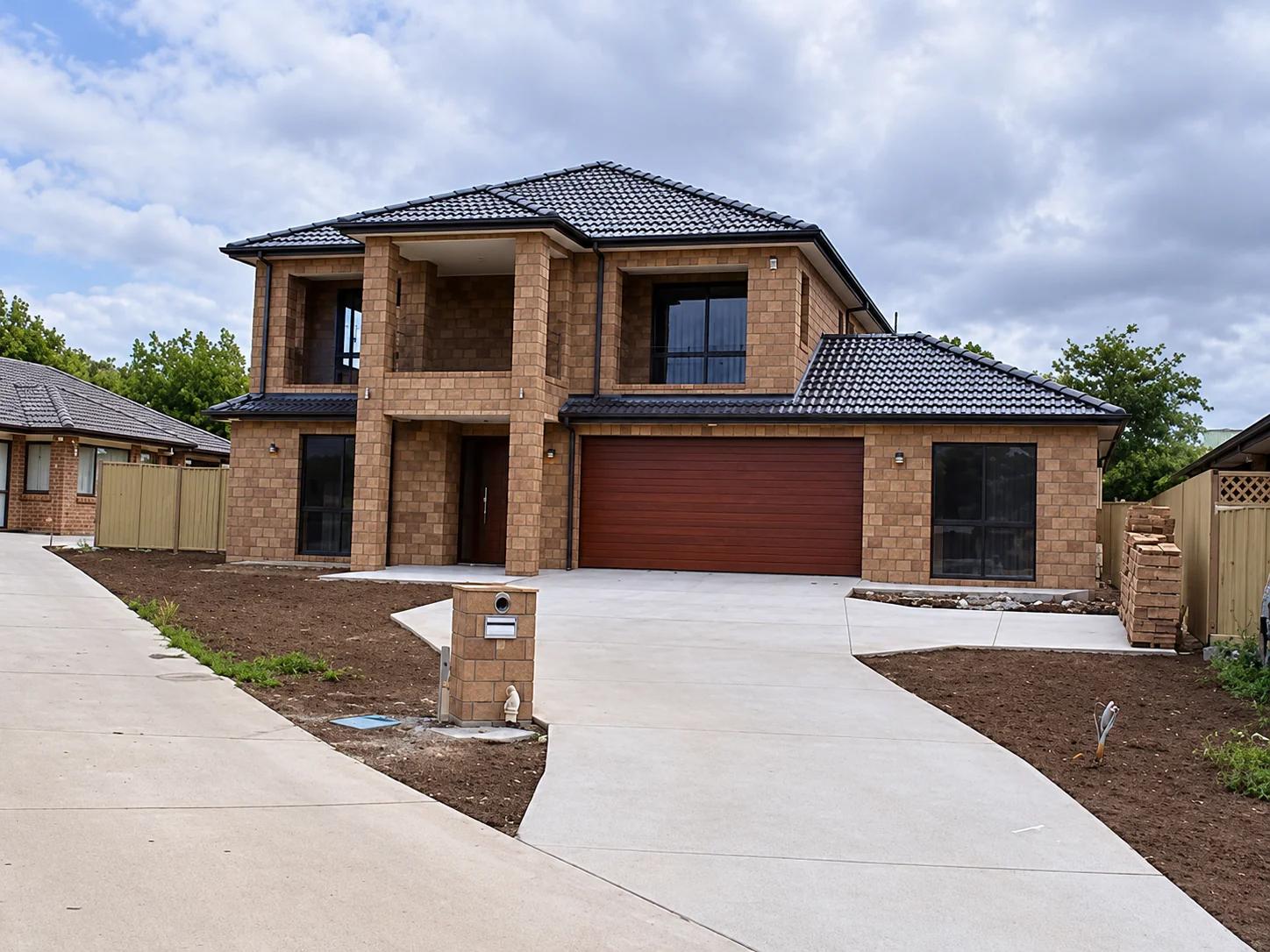
Some homeowners may prefer a contemporary interior that contrasts with the home's traditional exterior. Others may want new materials and finishes that closely complement the original style.
There isn't one approach that suits every property. The right solution depends on the condition of the existing home, the changes you want to make and how you intend to use the finished spaces.
With thoughtful planning, old and new elements can come together to create a home that respects its past while accommodating the way you live today.
Thinking About Renovating Your Existing Home?
Whether you're considering changes to an older home's layout, updating living spaces or planning substantial alterations, understanding what's possible is an important first step.
On Site Building Construction undertakes residential renovations and alterations, working with existing structures to create more practical and functional homes. We can discuss your plans, explore the building work involved and help you understand the next steps.
Get in touch with our team to discuss your renovation ideas and see what's possible for your home.
CONTACT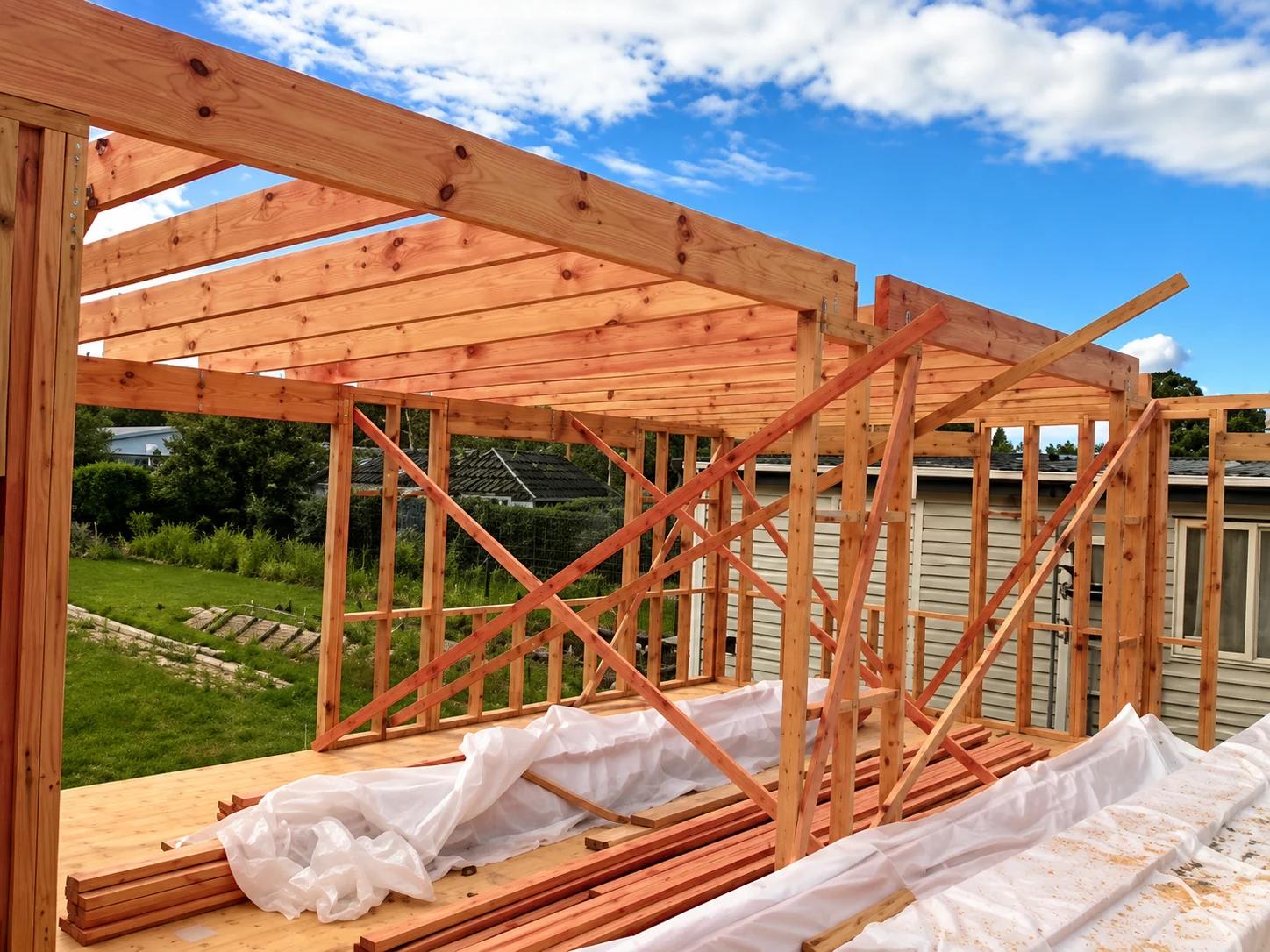
 EMAIL
 PHONE
 SERVICE AREAS